
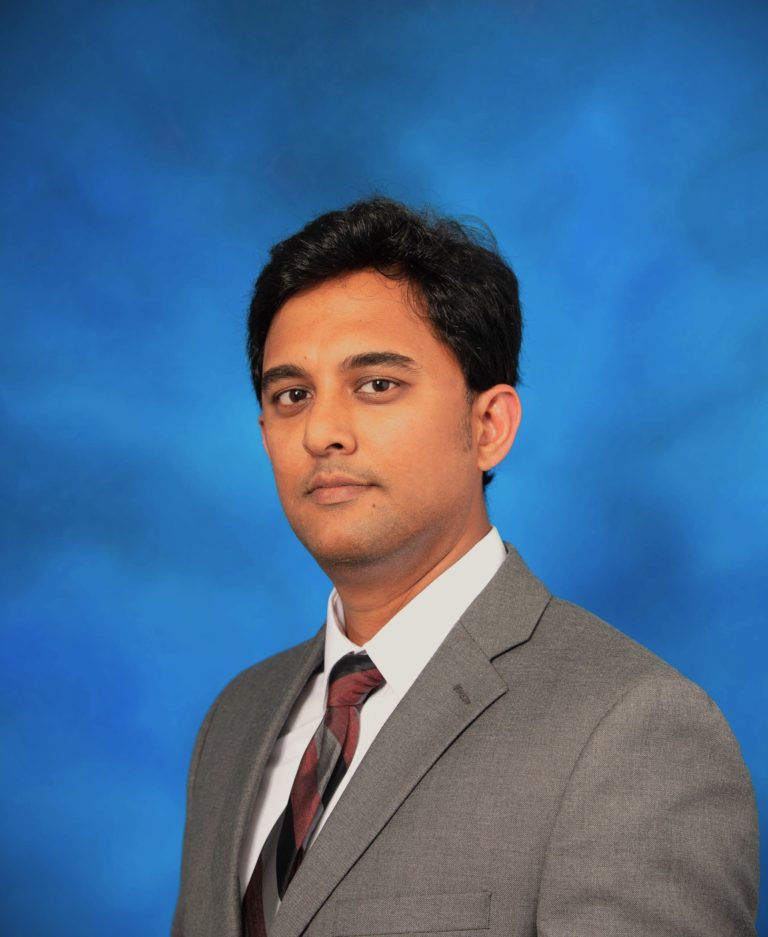
Ravichand Palakurti
Core Members
Dr. Ravichand Palakurti is a molecular and cellular biologist with translational research experience in neurotherapeutics and regenerative medicine. He currently serves as a Core Faculty Member and Assistant Research Professor at the McGowan Institute for Regenerative Medicine, where he investigates the molecular underpinnings of diabetic peripheral neuropathy (DPN) and stroke, with a focus on developing targeted therapeutic strategies.
His research integrates advanced biochemical techniques, in vivo models to elucidate disease mechanisms and identify novel therapeutic targets. Dr. Palakurti has contributed to NIH- and DoD-funded projects, including the use of miRNA- and ASO-based interventions to address impaired wound healing and stroke. His work has been published in high-impact journals such as Nature Communications and Molecular Therapy.
He has a strong foundation in spatial technologies, with technical expertise spanning spatial proteomic and transcriptomic profiling (Phenocycler, Xenium), animal models, microsurgery, molecular cloning, protein purification, transcriptional profiling, and bioinformatics. He also pioneered the use of Middle Cerebral Artery Occlusion (MCAO) models to simulate ischemic stroke and used stereotaxic injections for precise delivery of gene modulators into the brain, advancing the mechanistic understanding of cerebrovascular pathology.
Dr. Palakurti is a biomedical scientist with expertise spanning computational drug discovery, neuroscience, and translational research. He earned his PhD in Biological Sciences from BITS Pilani, India, where he focused on Alzheimer’s therapeutics. He also received Postdoctoral training at the Centre for DNA Fingerprinting and Diagnostics (CDFD, India), Indiana University School of Medicine, and the University of Pittsburgh, where he was appointed Assistant Research Professor in 2025. He also holds advanced degrees in Biotechnology and Biochemistry from premier Indian institutions.
• Investigates the neurobiology of ischemic stroke using in vitro (cell lines, primary cultures) and in vivo (rodent) models, focusing on diabetes-sensitive mechanisms that regulate neurovascular recovery in the post-stroke brain.
• Studies diabetic peripheral neuropathy (DPN), emphasizing neurogenic reprogramming as a strategy to mitigate neurosensory dysfunction and progressive nerve damage.
• Skilled in spatial platforms (Phenocycler, Xenium), spatial proteomic and transcriptomic profiling, animal models, and microsurgery.